

Close
A Bulgarian tile distributor sits across from his accountant reviewing quarterly numbers. Italian porcelain: profit margins down to 12%. Spanish suppliers: lead times now 16 weeks. His competitor across town just won three Sofia office tower contracts using Indian tiles priced 35% lower.
The accountant slides a calculator forward. “Switch suppliers. We jumped to 28% margins and still beat their prices.”
Two months have passed. A forklift unloads the first Indian shipment at Burgas Port. The tiles look perfect, exactly what the samples promised. Then a customs officer walks over, tablet in hand. “Your Declaration of Performance references ISO 10545-3 testing, but the batch number here doesn’t match your test report date. This notified body number?” she taps the screen “Not in our database.”
Container flagged. Three days become seven. Seven becomes twelve. Port fees pile up. The Sofia project manager’s emails get shorter and sharper. That competitor who’s been importing from India successfully? Already delivered. Already invoiced. Already moved to the next project.
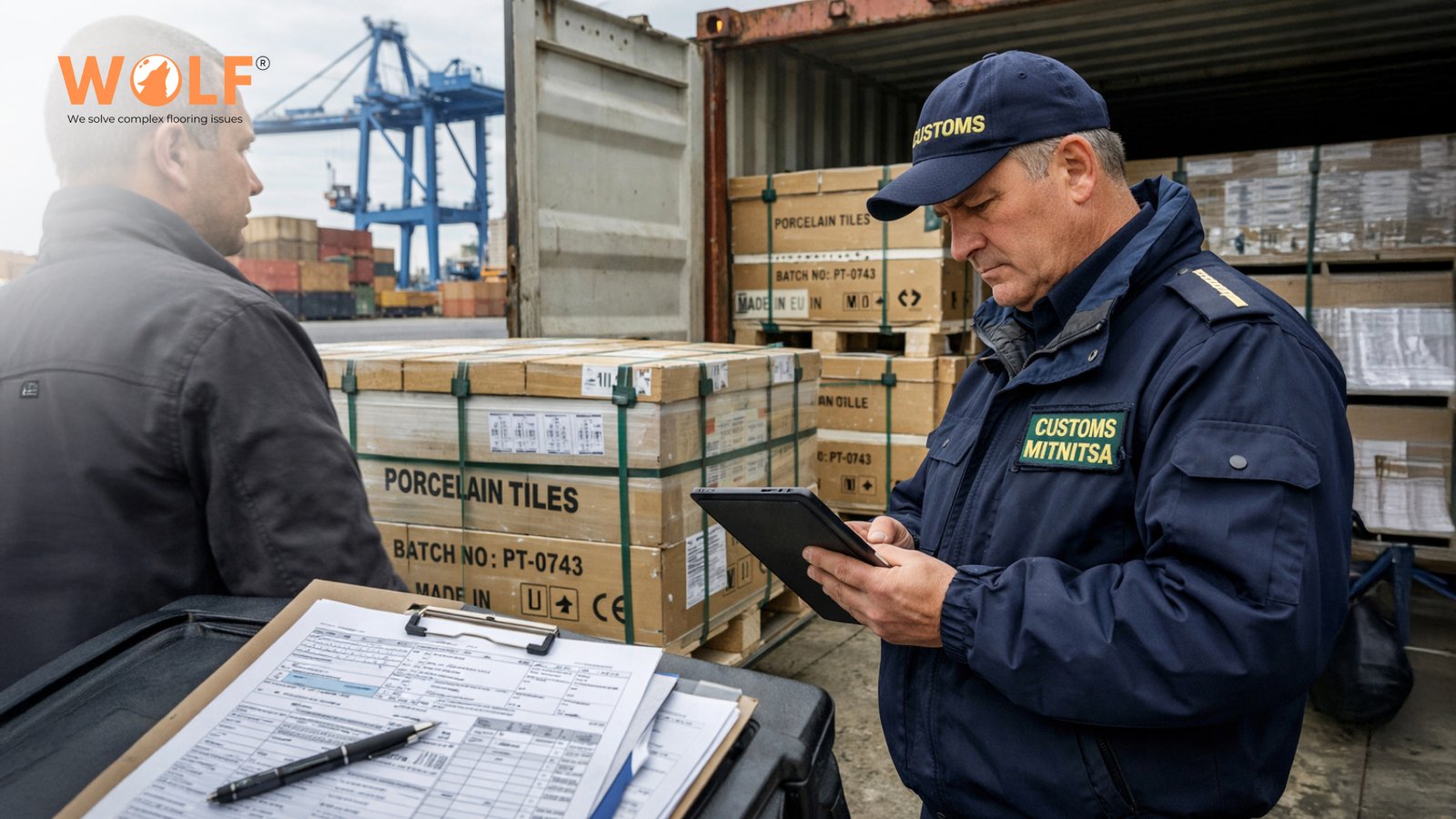
The difference? Not the tile quality , not even the distributors, both the parties ordered from good Indian manufacturers. The difference was knowing the documentation precision matters as much as the product specs.
This Guide covers the requirements to import porcelain tiles to Bulgaria. From pre-production compliance to customs clearance at Bulgarian ports.
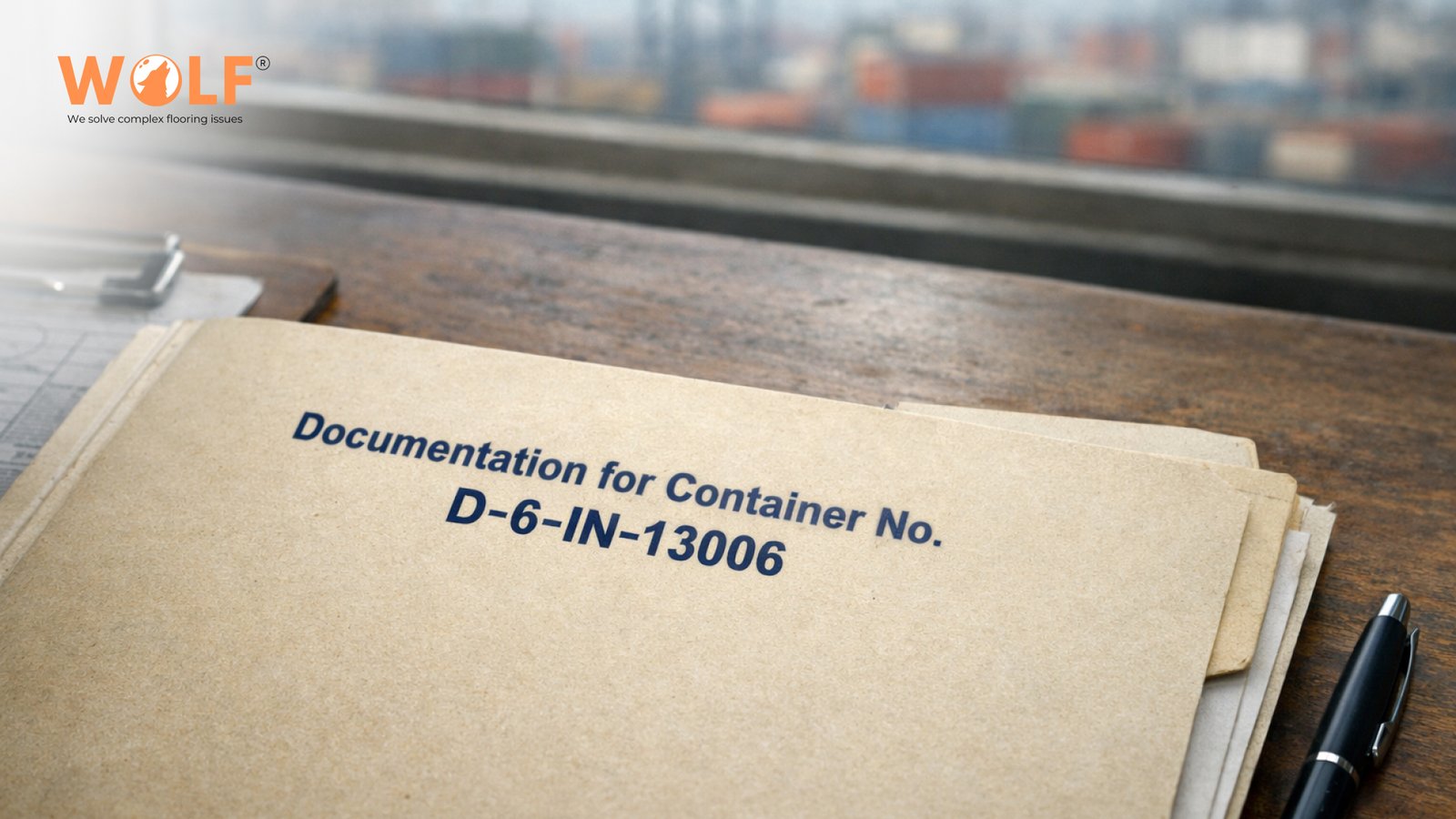
Bulgarian customs don’t judge tiles by how they look. They check paperwork proving your tiles meet European safety and quality standards.
Think of EN 14411 as Europe’s quality checklist for porcelain tiles. For tiles classified as true porcelain, customs will verify:
Indian manufacturers provide test reports from certified labs proving these specs. Before accepting any reports, customs will check the lab’s credentials on the European Accreditation database.
Every container needs CE marking under EU law.
This isn’t just a logo, it’s legal proof your tiles are safe for European construction.
What you need:
Here’s the mistake that costs people: accepting documentation without verifying that 4-digit notified body number. Check it in the NANDO database before your shipment leaves India. If the number doesn’t exist or is outdated, customs rejects your entire container.
Missing even one document stops everything at the port.
Before importing anything to Bulgaria (or anywhere in Europe) you need an EORI number. Think of it as your importer ID card. Apply through Bulgaria’s National Customs Agency, processing takes about a week. Without this number, customs won’t even look at your shipment.
One more thing: If your tiles arrive on wooden pallets (most do), those pallets need an ISPM-15 stamp. This proves the wood was heat-treated to kill bugs. No stamp? Customs sends the whole container back to India, at your expense.
A Sofia importer learned to request draft paperwork 30 days before production starts. They check everything against official databases while tiles are still being made. Since starting this, they haven’t had a single customs delay.
Most shipments start at Mundra or Nhava Sheva ports in India. The ship crosses the Arabian Sea, goes through the Suez Canal, crosses the Mediterranean, and enters the Black Sea.
How long it takes: Usually 35 to 45 days approx, depending on which shipping company you use and whether the ship stops at other ports along the way.
Choose your port based on where your warehouse is, shipping to the wrong port means extra trucking costs.
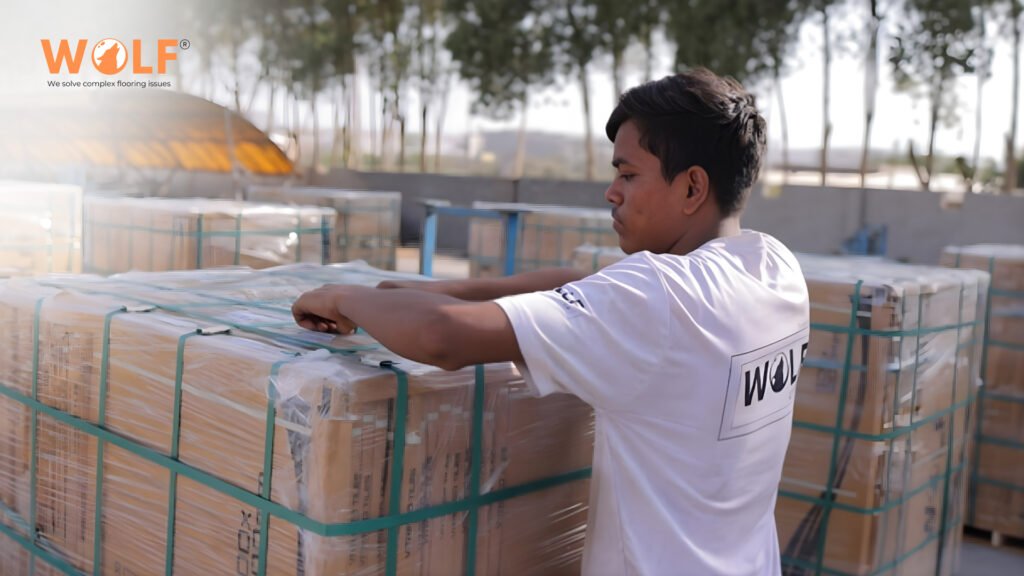
A standard 20-foot container holds about 24-26 metric tons of tiles. That’s heavy, so proper packing matters:
Work with freight companies experienced in Bulgarian construction imports. They know which paperwork customs expect and how to avoid common mistakes.
Customs duty: Usually 6-8% of your total cost (tiles + insurance + shipping)
VAT: Bulgaria adds 20% on top of everything (tile cost + customs duty)
Other fees:
Have payment ready when your container arrives. Every day it sits at the port and costs you storage fees.
Two months before shipping: Confirm your Indian supplier has all required certificates. Verify they’re current and match what customs databases show. Book your container space and arrange your freight company.
One month before: Get copies of all paperwork. Double-check those notified body numbers and lab certifications. Make sure your EORI number is active. Brief your customs broker on what’s coming.
One week before arrival: Get your Bill of Lading from the shipping company. Submit clearance paperwork to Bulgarian customs. Have payment ready for duties and VAT. Confirm your warehouse can receive the delivery.
When it arrives: About 15-20% of shipments get physically inspected. Pay your duties and VAT. Get release papers. The truck picks up the container and delivers it to you.
One Burgas distributor cut their port waiting time from 9 days to 3 days just by following this timeline.
A Plovdiv importer once got suspicious when a supplier couldn’t explain basic testing procedures. Turns out the “manufacturer” was just a middleman with no factory. Discovering this before ordering saved over €40,000.
Good Indian manufacturers understand European requirements. They generate proper documentation automatically, keep certifications current, and provide clear batch tracking from raw materials to finished tiles.
Wolf Group India manufactures porcelain using Italian production technology, meeting EN 14411 standards with proper CE marking. Our tiles come in 60×60cm and 60×120cm formats with complete documentation packages. Two decades of supplying European markets taught us that smooth importing isn’t just about quality tiles, it’s about paperwork systems that work seamlessly with Bulgarian customs.
Technical details available at wolfporcelaintiles.com or info@wolfgroupindia.com.
Invoice, packing list, Bill of Lading, Certificate of Origin, test reports proving EN 14411 compliance, Declaration of Performance, CE certificates with valid numbers, and your EORI registration. Every document needs to match, mismatched information causes delays.
Your Indian manufacturer handles CE marking and provides the Declaration of Performance. Your job is verifying everything is legitimate before you accept the shipment. Never accept tiles without proper CE documentation, customs will reject them.
Before your first shipment. Apply through Bulgaria's customs agency and allow about 10 business days. You can't import anything to the EU without this number.
Use three official databases: European Accreditation (european-accreditation.org) for testing labs, NANDO (ec.europa.eu/growth/tools-databases/nando) for notified bodies, and IAF (iaf.nu) for ISO certifiers. It takes about 15 minutes but prevents major problems.
The HS code (usually 6907 for porcelain) determines your exact customs duty rate. Wrong code means you might overpay, underpay (and get penalized), or face delays while customs reclassifies everything.
Varna handles most construction materials and connects easily to Sofia and northern Bulgaria. Burgas has good rail links for southern destinations. Pick based on where your warehouse is to minimize trucking costs.
Ocean shipping from India takes 35 to 45 days. Customs clearance adds 2-5 days if paperwork is correct. Trucking to your warehouse takes 1-3 days. Total: about 30-45 days from India to your facility.