Why US Architects Are Switching From Ceramic to Porcelain Tiles for Modern Projects
December 25, 2025
Walk into any architect’s office in Boston, Atlanta, or Seattle, and you’ll notice something unusual: the material boards are shifting. Whereas ceramic tiles once dominated, Porcelain tiles for architects in USA projects are becoming the preferred choice. Forget about trends, it’s more about satisfying the needs of modern construction.
The Question That Changed Everything
So what makes us think is what brought this drastic change? Here’s what happened. A colleague recently told me about a commercial kitchen project in Chicago. Six months after installation, the tiles began to show wear patterns in high-traffic areas. The replacement cost? Over $40,000, not counting downtime.
That’s when the conversation shifted. Architects started asking a simple question “what if we could avoid this from the start?”
Porcelain tiles provide a solution to that question. They are burned at temperatures of 2,300°F which is about 400 degrees higher than ceramic. This results in a denser polymer with water absorption levels below 0.5%. In practical terms, it refers to tiles that can withstand freeze-thaw cycles without cracking, resist stains from industrial cleaning chemicals, and retain their look year after year.
Large Format Installations
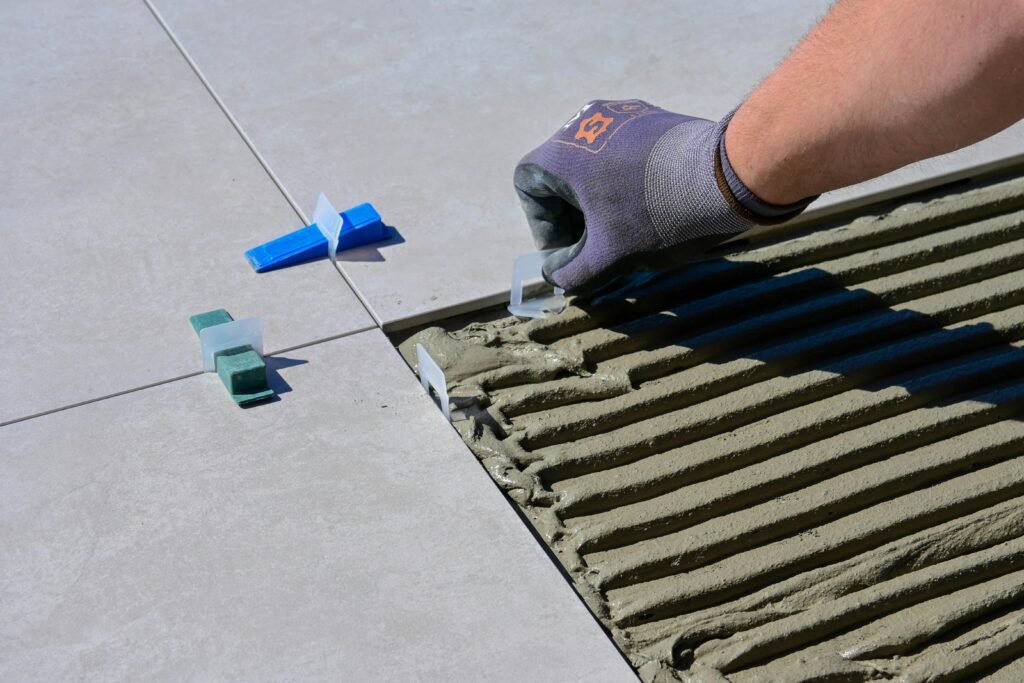
If you’ve recently set up large-format tiles, you understand the difficulty. Ceramic tiles measuring more than 24×24 inches sometimes require additional structural support. They are more prone to warping during production, which causes lippage during installation.
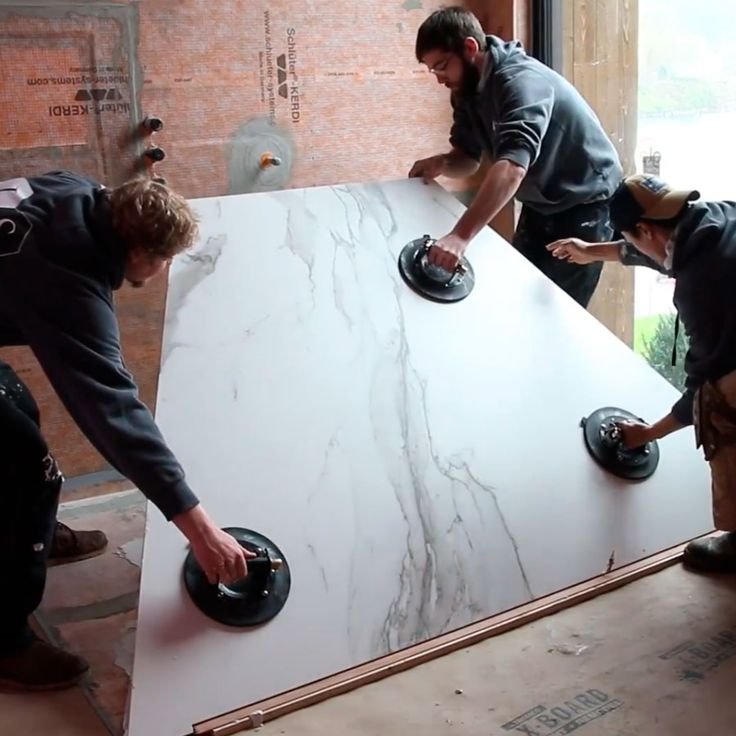
Porcelain tiles for architects in the United States are currently available in dimensions of up to 63×126 inches. These large slabs produce seamless walls with fewer grout lines, exactly how modern design requires. Additionally Porcelain’s minimal water absorption implies less expansion and contraction, ensuring structural integrity.
An interior designer recently completed a premium hotel lobby with 48×48-inch porcelain slabs. The tiles remained slick and solid throughout the installation, therefore it took three days less than expected. There were no last-minute changes. No follow-up calls.
The Indian Manufacturing Story that Transformed Global Standards
Twenty years ago, suggesting Indian-manufactured tiles for a high-end US project would raise eyebrows. Today, manufacturers like Wolf Group India export to over 40 countries, including some of the most demanding European and North American markets.
So what changed? Investment in Italian technology and strict quality standards. Now, Modern Indian facilities employ digital printing technology that rivals that of Spain or Italy and consistently automated quality checks at numerous stages of production.
For US architects, this matters because projects demand reliability. When you order 10,000 square feet of tiles, batch-to-batch consistency isn’t negotiable. Indian manufacturers have built systems that deliver this consistency while meeting ASTM standards that US projects require.
What This Means for Your Next Project
If you’re specifying tiles for a project right now, here’s what matters:
For high-traffic areas, porcelain’s density and strength can withstand the damage. Airports, retail venues, and healthcare facilities, anywhere there is a high volume of foot traffic.
Moisture-prone areas include kitchen backsplashes, shower surrounds, and outdoor patios. Water resistance prevents long-term difficulties.
When the design requires few grout lines and smooth surfaces such as Big formats constructions, Porcelain retains flatness at sizes that ceramics cannot consistently match.For extreme temperatures, both interior rooms with high HVAC demands and outdoor applications, the material is stable throughout a wide temperature range.
Working With Manufacturers Who Understand Your Market
The best Indian manufacturers understand US project requirements such as ASTM standards, LEED certification needs, and specification language.
Wolf Group India, for instance, has worked across 40+ countries and knows the documentation of US commercial work demands.
When evaluating manufacturers, look for consistent production capacity, quality control documentation meeting US requirements, North American shipping experience, and technical teams who understand local building codes. The specification process becomes smoother when manufacturers speak your language from day one.
In conclusion Ceramic tiles still have their place. For residential walls, decorative accents, or budget-conscious projects where durability demands are lower, they work fine.
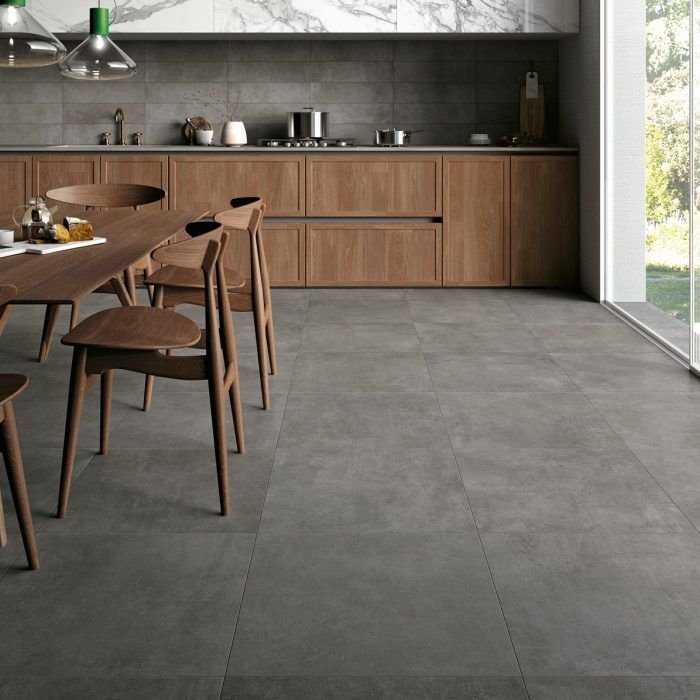
But for projects that demand performance, commercial installations, outdoor applications, high-traffic areas, porcelain tiles in USA markets have become the logical choice. The material science, manufacturing consistency, and long-term value align with what modern projects need.
At the end of the day the switch from ceramic to porcelain isn’t about chasing the latest thing. It’s about choosing materials that perform reliably over decades, not just years. For architects building their reputation on projects that stand the test of time, that distinction matters.