Best Kitchen Floor Tiles for Guatemala: Designs, Slip Resistance & Tropical Climate Tips
January 6, 2026
Imagine Maria opening her kitchen door in Antigua at 6 AM. The morning air is crisp, but the tiles feel pleasantly cool under her feet, comfortable even when the humidity is already climbing.
Two years ago, this morning routine was a hazard. Her old glossy ceramic tiles turned into a virtual ice rink every time the humidity spiked or even if she just mopped. One morning, while carrying her daughter and a hot cup of coffee, a small slip changed her entire perspective on home design.
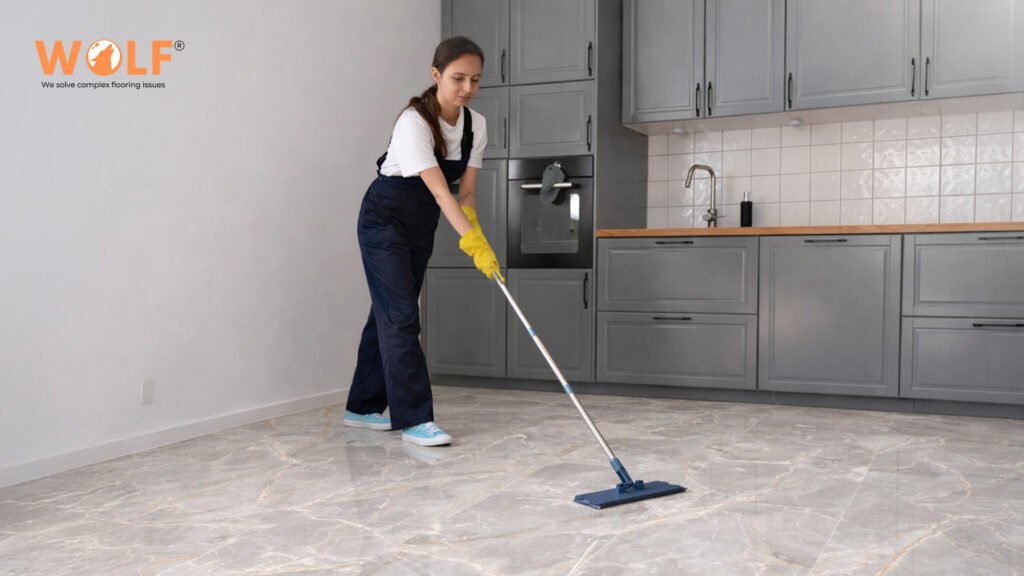
Today, her kitchen is different. Matte porcelain tiles designed for tropical climates handle Guatemala’s humidity without becoming slippery. They clean easily, resist the “sweating” common in the highlands, and still look as vibrant as the day they were installed.
If you are choosing Guatemala kitchen flooring, you aren’t just picking a colour. You’re deciding whether your kitchen remains a safe sanctuary or a maintenance nightmare. Here is the complete guide to getting it right.
Why Guatemala’s Climate Changes Everything
Guatemala’s tropical highland climate creates unique challenges for kitchen flooring. From the dense humidity of Guatemala City to the intense coastal heat of Escuintla, your floors face constant environmental stress.
The Humidity "Sweat" Factor
Guatemala averages 70-75% humidity year-round. In regions like Izabal or Petén, that number can soar even higher. This moisture doesn’t just hang in the air; it settles on your floors.
Suppose you live in a coastal area like Puerto Barrios. You need a tile with a low absorption rate. If a tile is too porous or absorbent, it won’t just feel damp; it can actually absorb that moisture, leading to mold growth within the tile body or under the grout.
The Thermal Expansion Challenge
Guatemala’s geography means big temperature swings. The highlands, known for their ‘Eternal Spring’ climate with year-round mild temperatures, can see cool nights and warm afternoons. These shifts cause materials to expand and contract. Without high-quality tiles and proper installation, this cycle leads to hairline cracks over time.
The RainTest
From May to October, the rainy season brings more than just water, it brings mud, volcanic dust, and constant dampness. Your kitchen floor is the frontline. It must be durable enough to handle daily deep cleaning without the finish dulling after just one season.
Porcelain vs. Ceramic Kitchen Tiles for Guatemala's Climate
In a kitchen renovation, the material you choose is far more important than the pattern. While showrooms are filled with options, porcelain is the undisputed champion for the Guatemalan kitchen.
Porcelain: The Heavy Hitter
Porcelain is fired at much higher temperatures (often over 1,200°C) than standard ceramic. This process makes it incredibly dense and nearly waterproof.
Water Absorption: High-quality porcelain has an absorption rate of less than 0.5%. This means moisture stays on the surface where it can be wiped away, rather than soaking in. This makes porcelain the top choice for humidity-resistant tiles Guatemala homeowners can trust in tropical conditions.
Durability: It is harder and more resistant to chips. For example, if a heavy cast-iron skillet falls on a porcelain tile, it is far less likely to crack than a traditional ceramic one.
Ceramic: Best for the Walls
Ceramic is a beautiful, budget-friendly option, but it is more porous. Suppose you use a basic ceramic on a high-traffic kitchen floor; the constant mopping required during the rainy season can eventually cause tiny web-like cracks in the glaze.
Wolf Group Tip: Use ceramic for your backsplashes or wall accents to save on the budget, but never compromise on the floor, stick to porcelain.
Mastering Slip Resistance: Safety is Non-Negotiable
The kitchen is the most dangerous room in the house when it comes to falls. When you combine cooking oils, water spills, and tropical humidity, the result can be treacherous.
The Myth of the "Easy Clean" Glossy Tile
Glossy tiles look stunning under showroom lights. They reflect light and make a room feel “expensive.” However, the moment a glossy tile meets humidity, it loses all traction.
For instance, an interior designer in Antigua recently shared a story of a luxury renovation where the client insisted on polished marble-look tiles. Within three months, the family had to install unsightly rubber mats in the work triangle because the floors were too dangerous to walk on after mopping.
Why Matte is the Modern Standard
Matte and Lappato finishes provide a subtle texture that creates friction. This “grip” is measured by the DCOF (Dynamic Coefficient of Friction) rating.
For a Guatemalan kitchen, you should look for a DCOF of 0.60 or higher for wet surfaces. This ensures that even if there is a spill, the floor provides enough traction to prevent a fall.
Size Matters: The Rise of 24×24 and 24×48 Formats
In modern Guatemalan architecture, “bigger is better” isn’t just a trend but it’s a practical maintenance strategy.
24×24 (600x600mm): The Versatile Workhorse
This is the most common size for a reason. It fits perfectly in standard kitchen layouts, from small apartments to larger suburban homes.
Pro: Local contractors are highly experienced with this size, leading to lower installation errors.
Visuals: It offers a balanced look that doesn’t overwhelm the room.
24×48 (600x1200mm): Modern And Practical
Large-format tiles are the go-to for high-end designers. Why?
Seamlessness: These long tiles create fewer visual “breaks.” Suppose you have a narrow galley-style kitchen; laying these tiles lengthwise creates an optical illusion that makes the kitchen feel three feet wider.
Hygiene: Using 24×48 tiles significantly reduces the number of grout lines. In a humid climate, grout becomes the weak point, it’s where dirt, grease, and mold accumulate. Fewer lines mean less scrubbing
How Wolf Porcelain Tiles Come into the Picture
When sourcing specific tile formats and finishes in Guatemala, working with manufacturers who understand tropical climate requirements becomes critical. This is where Wolf Group India provides a bridge between international quality and local needs. We understand that a tile in Guatemala City needs to perform differently than a tile in a dry climate.
As a global leader in porcelain exports, we specifically curate our collections for high-humidity environments.
Italian-Tech Manufacturing: Our tiles are produced using advanced technology that ensures dimensional stability, meaning your 24×48 tiles are perfectly flat and easy to level.
Engineered Surfaces: We develop matte finishes that feel smooth to the touch but offer superior anti-slip performance.
Supply Chain Reliability: We work directly with designers and developers across Guatemala to ensure that when you choose a style, you have the quantity you need without the long wait times of other importers.
Pro Tips for Your Kitchen Renovation
Before you sign that contract with your contractor, keep these three professional tips in mind:
Choose Your Color Wisely While dark charcoal floors look “chic,” they are notoriously difficult to keep clean in dusty areas. Light grays, beiges, and “greige” (a mix of gray and beige) are the best for hiding water spots and volcanic dust.
The Power of Epoxy Grout In a tropical kitchen, standard cement-based grout can be a problem. It’s porous and absorbs stains. For example, if you spill beet juice or coffee on cement grout, it’s there forever. Ask your installer about Epoxy Grout. It is waterproof, stain-proof, and won’t grow mold, even in 80% humidity.
Check the PEI Rating The Porcelain Enamel Institute (PEI) rating tells you how much foot traffic a tile can handle. PEI 3: Light residential (Better for bathrooms). PEI 4: Moderate to heavy traffic (Ideal for your kitchen). PEI 5: Commercial grade (Overkill for a home, but indestructible).
Cleaning and Maintenance in the Tropics
To keep your tiles looking like they were just installed, you need a routine that respects the material.
Dust Mop Daily: Tropical dust is abrasive. If you walk on a dusty floor, you are essentially “sanding” the finish. Use a microfiber mop daily.
Avoid Harsh Chemicals: You don’t need bleach. In fact, harsh chemicals can eventually break down your grout sealer. A simple pH-neutral cleaner or a dash of white vinegar in warm water is usually all you need.
Moisture Control: After mopping, ensure the kitchen has good airflow. In Guatemala’s humidity, a damp floor that stays wet for an hour is a breeding ground for mildew.
Final Thoughts
Choosing the best kitchen floor tiles in Guatemala is an investment in your home’s future value and your family’s safety. By prioritizing high-density porcelain, choosing a slip-resistant matte finish, and opting for larger formats like 24×48, you create a kitchen that stands up to the rainy season and looks beautiful year-round. At Wolf Group India, we believe your kitchen should be the heart of your home, not a source of stress. Our mission is to bring the world’s most durable tropical climate tiles and stylish porcelain to the vibrant homes of Guatemala.
Ready to Choose the Right Tiles for Your Kitchen?
Wolf Group India offers humidity-resistant porcelain collections specifically designed for Guatemala’s tropical climate. Contact us at info@wolfgroupindia.com to know more about matte-finish tiles in 24×24 and 24×48 formats that combine safety with style.