Porcelain vs Ceramic Tiles: A Practical Comparison for Canadian Homeowners
December 30, 2025
A tile showroom in Toronto and one in Phoenix sell the same products. But walk into a Canadian home five years after installation, and you’ll see why location matters. Half the tiles that look pristine in warm climates are cracked, lifting, or growing mold in basements from Halifax to Calgary.
The difference isn’t installation quality or bad luck. It’s physics meeting Canadian weather.
When you’re weighing porcelain vs ceramic tiles in Canada for your renovation, you’re really asking: which material survives freeze-thaw cycles, handles basement moisture, and doesn’t become a slip hazard the moment snow hits your entryway?
Let’s break down what matters when temperatures drop to -30°C and your basement sees more humidity than it should.
The Real Difference Between Porcelain and Ceramic Tiles
Every tile showroom looks similar, don’t they? But the manufacturing process rates materials that behave very differently in Canadian conditions. So what is the real difference between Ceramic and Porcelain tiles? Let me tell you. Ceramic tiles are fired at around 1,900°F. They’re made from red or white clay, have a glazed surface for color and pattern, and absorb about 3-7% water. That absorption rate matters more than most people realize.
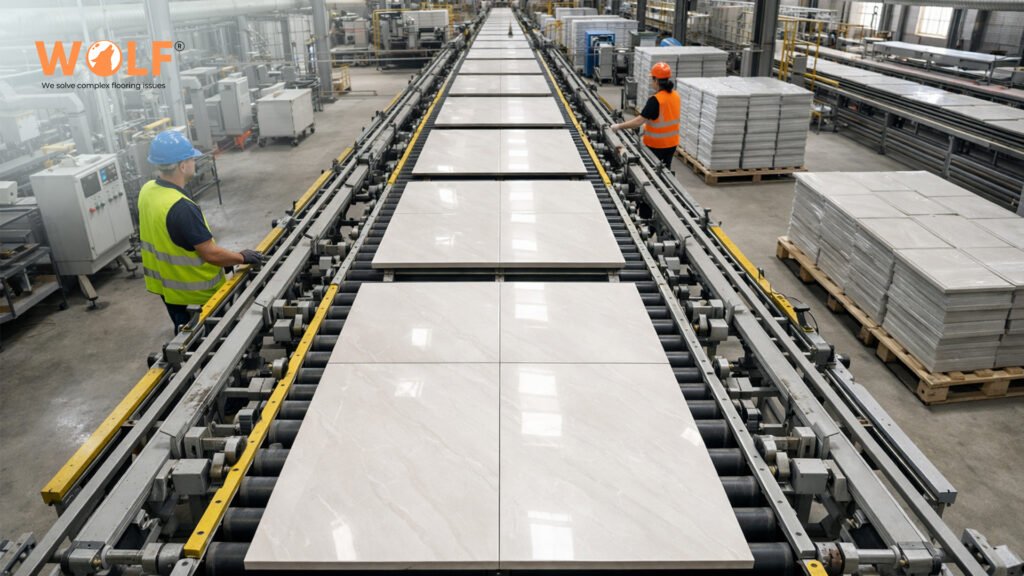
Whereas Porcelain tiles get fired at over 2,300° F, which is roughly 400 degrees hotter. This creates a much denser material. Water absorption drops below 0.5%, sometimes as low as 0.1%.
Here’s why this wise selection matters in Canada. Water that gets absorbed into tiles can freeze. When water freezes, it expands. That expansion cracks tiles from the inside out.
Here’s a Simple table for easy Comparison:
Ceramic Tiles
Porcelain Tiles
Fired at roughly 1,900°F
Fired at over 2,300°F for a tougher finish
Made from red or white clay
Highly refined and ultra-dense clay
Absorbs 3% – 7% water (higher risk of damage)
Less than 0.5% absorption (virtually waterproof)
Standard durability for everyday use
Exceptional density and long-term durability
Best for indoor, climate-controlled rooms
Ideal for all areas; won’t crack during freeze-thaw cycles
The Cold Floor Problem
Anyone who’s lived through a Canadian winter knows the feeling, stepping onto a freezing basement floor at 6 AM. Both tile types feel cold because they conduct heat efficiently. But porcelain’s density makes it slightly better at holding warmth once your radiant heating or furnace kicks in.
More importantly, porcelain handles the temperature swings. If you’re installing tiles in a mudroom, sunroom, or any space that isn’t consistently heated, porcelain won’t crack when temperatures drop. Ceramic tiles in these zones often develop hairline cracks by the second winter.
A contractor in Calgary refuses to install ceramic in unheated garages anymore. Too many callbacks. Porcelain handles those -30°C nights without complaint.
Moisture and Your Basement
Canadian basements and moisture go hand in hand. When spring melts, it finds its way through the foundation cracks, summer humidity settles on cold concrete, and your sump pump works overtime from March through June. You cannot estimate the Moisture but you can choose tiles that won’t suffer because of it.
Ceramic tiles absorb that moisture. Over time, this can lead to:
Grout deterioration as water seeps through
Mold growth beneath tiles
Tiles are popping loose from the substrate
That musty smell that never quite goes away
Now Porcelain’s nearly zero water absorption stops these problems before they even start. Water sits on the surface where you can wipe it up, rather than slowly working its way into the tile body and adhesive layer of your flooring.
For the basement, bathrooms, laundry rooms, or finishing a rec room, porcelain tiles give you one less thing to worry about. You’re already managing moisture, your floors shouldn’t add to the problem.
The Safety Factor: Why Matte Finishes Matter
Polished tiles look stunning in showrooms. But in Canadian homes, they create a safety issue. Track-in snow, deal with wet boots in the entryway, or just mop the kitchen; those polished tiles become skating rinks.
Matte-finish porcelain tiles provide better grip while still looking clean and modern. They’re particularly important for:
Entryways where wet boots are a daily reality from October to April
Bathroom floors where water splashes are inevitable
Kitchen floors where spills happen
Basement stairs where slips are dangerous
Wolf Group India manufactures porcelain tiles in various matte finishes that meet Canadian safety expectations without sacrificing design. The texture is subtle enough to look refined but provides the traction you need. Hence the safety factor.
The 24×24 Format That Makes Sense
Large format tiles, especially 24×24 inches, have become popular for good reasons in Canadian homes, the reason being?
Fewer grout lines, which means less maintenance and fewer places for moisture to penetrate. In basements and bathrooms, this matters.
Easier installation on larger open spaces. Canadian homes often have generous room sizes, and bigger tiles cover more area with less labor.
Modern, seamless look that makes spaces feel larger, useful in basement renovations where ceiling height is limited.
Better for radiant heating because larger tiles provide more consistent heat transfer with fewer interruptions from grout lines.
No doubt you can get Ceramic tiles in 24×24, but porcelain’s density gives installers more confidence. Canadian homes shift constantly, new foundations settle for years, wood subfloors expand in summer humidity and contract in dry winter air, concrete slabs adjust with temperature changes. Porcelain absorbs these tiny movements without cracking. Ceramic doesn’t have the same tolerance.
The Cost Reality
Porcelain typically costs 20-30% more than ceramic. For a 200-square-foot kitchen, that might mean $800-1,200 extra in materials.
But factor in:
Porcelain lasts 25+ years without replacement
No cracked tiles to repair after freeze-thaw cycles
Less maintenance and cleaning effort
Better resale value when you sell
A homeowner in Toronto recently replaced ceramic basement tiles twice in 12 years, both times from water damage. The second time around they went with porcelain. Five years later, the tiles look new despite two sump lump failures, that’s saying something!
Working With Quality Manufacturers
Not all porcelain is created equal. When sourcing tiles, look for manufacturers who understand North American standards and can document their quality.
Wolf Group India has supplied tiles to over 40 countries for more than 20 years, including challenging climates similar to Canada’s. Their production facilities use Italian technology with rigorous quality controls that ensure consistency, batch after batch. For Canadian homeowners and contractors, this means tiles that meet the performance standards your climate demands.
Make Your Decision
Here’s a straightforward framework for choosing between porcelain vs ceramic tiles in Canada:
Choose porcelain for:
All basement floors and walls
Bathrooms (floors, showers, tub surrounds)
Kitchens and high-traffic areas
Entryways and mudrooms
Any space with moisture exposure
Large-format installations (24×24 or larger)
Ceramic works for:
Kitchen backsplashes in dry zones
Decorative bedroom or hallway walls
Accent features away from water
Projects where budget is the primary constraint
Match your tile choice to the demands of the location. Canadian conditions expose weaknesses quickly. Choose materials that handle what your home throws at them.