

Close
If you’re a Croatian tile distributor or construction wholesaler, you’ve likely noticed India’s growing presence in your supply chain options. India now represents 14% of Croatia’s ceramic tile imports, making it the third-largest supplier to your market after Italy and Spain.
That’s not accidental. Indian manufacturers are earning trust with Croatian buyers through documented quality, competitive pricing, and product ranges that match European expectations.
But here’s the question Croatian distributors actually ask: How do you find reliable Indian manufacturers? What certifications matter? Which sizes and finishes sell in Croatia? How do lead times compare to traditional suppliers?
This guide answers those questions for Croatian distributors researching porcelain tile suppliers Croatia markets can rely on.
Five years ago, most Croatian tile distributors ordered exclusively from Italy or Spain. As of 2024, India accounts for 14% of your market’s ceramic tile imports.
That shift happened because distributors discovered something: you can source tiles meeting European technical standards without paying European premiums.
Croatian construction projects operate on specific budget constraints. When your customers need quality tiles at competitive prices, traditional suppliers sometimes can’t deliver both. The math just doesn’t work.
Indian manufacturers filled this gap. With 589.5 million square meters of tiles exported globally in 2023, they’re not experimental suppliers. They’re established producers with documented track records serving European markets.
For Croatian wholesalers, this creates a practical option: manufacturers with capacity, experience, and pricing structures that actually fit Croatian project economics.
The assumption is often that lower prices mean lower quality. That’s not what’s happening here.
Leading Indian tile factories invested heavily in Italian production technology. Sacmi presses. Digital printing systems from European equipment suppliers. Testing protocols meeting European standards
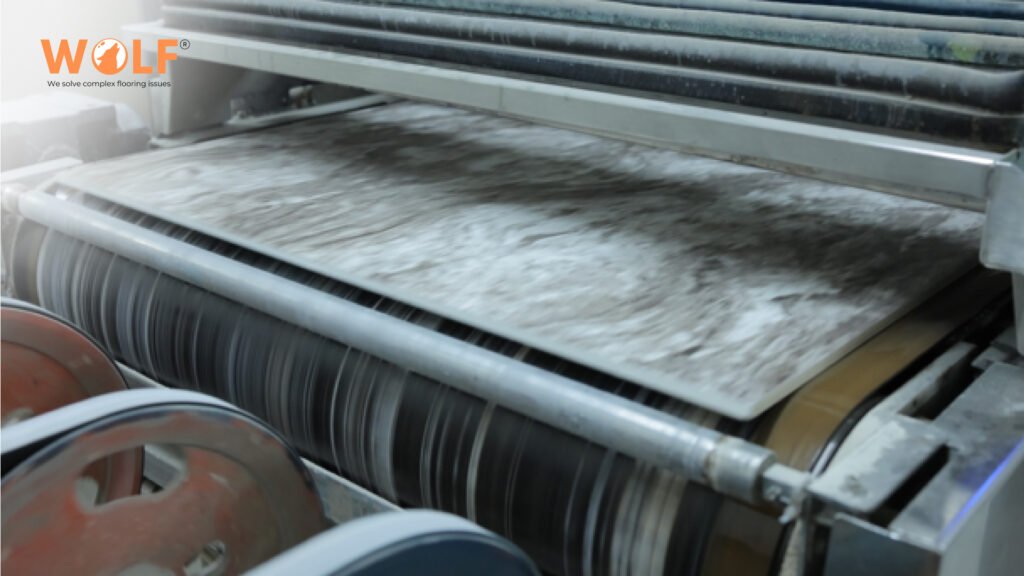
The cost advantage comes from production scale and regional clustering in Morbi, Gujarat. When 90% of a country’s tile production happens in one region, efficiencies develop that don’t compromise technical specifications.
This production model creates opportunities for porcelain tile suppliers Croatia distributors can partner with confidently.
Understanding your specific requirements helps identify which Indian manufacturers fit Croatian market demands.
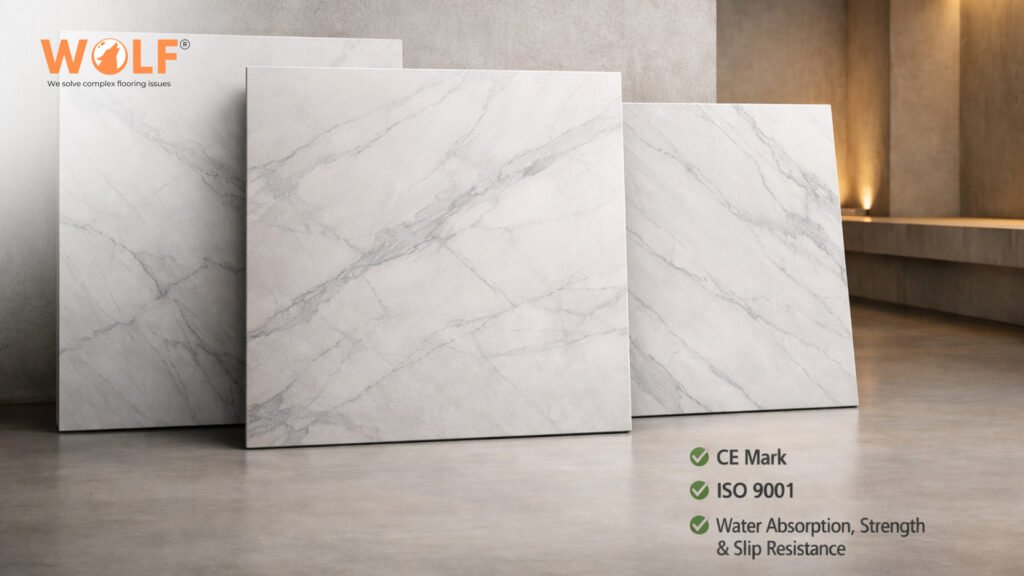
Croatian buyers need tiles meeting European building standards. Reputable Indian manufacturers provide documentation proving compliance.
Croatian distributors should request copies of these certifications before placing orders. Legitimate manufacturers provide documentation readily.
Construction timelines in Croatia demand reliable delivery schedules. Understanding typical lead times from Indian suppliers helps manage customer commitments.
Total timeline from order confirmation to warehouse delivery: approximately 9-13 weeks. This compares favorably to some European suppliers during peak seasons when capacity constraints extend Italian or Spanish lead times.
Croatian construction and renovation projects use specific tile formats. Indian manufacturers must supply these dimensions to serve Croatian distributors effectively.
Indian factories can produce these formats with rectified edges enabling narrow grout lines that Croatian installers and architects prefer.
Understanding which surface treatments sell in Croatia helps select appropriate Indian manufacturers.
Indian manufacturers offer all these finishes. Digital printing technology creates realistic marble, stone, and wood effects that compete aesthetically with natural materials.
Not every Indian tile producer can serve Croatian distributors properly. So how to identify manufacturers who actually understand European market requirements.

Morbi, Gujarat produces about 90% of India’s tiles. That concentration matters because it created specialized infrastructure. Equipment suppliers are local. Technical expertise is concentrated. Testing facilities operate nearby.
But here’s what geography really tells you: manufacturers in this cluster compete directly with each other. That competition drives quality improvements and keeps pricing realistic.
Morbi sits 100 kilometers from Mundra Port. Manufacturers operating here have inherent logistics advantages. Shorter inland transport. Faster container loading. More reliable shipping schedules to European destinations.
This question reveals more than equipment specifications: “Which European countries do you currently supply?”
Manufacturers serving German, Italian, or Spanish distributors have already proven they can meet strict documentation requirements and quality expectations. They understand CE marking. They know what European building codes demand.
If they can’t name current European customers, that’s a signal. Croatian distributors shouldn’t be testing grounds for manufacturers learning European standards.
Don’t just ask about equipment. Ask specific questions that reveal actual capabilities:
“Can you produce 60×120cm rectified tiles with dimensional tolerance under 0.5mm?” Manufacturers serving European markets know exactly what this specification means and whether their equipment handles it.
“What’s your water absorption testing protocol for porcelain?” The answer should reference testing frequency, equipment used, and compliance with EN 14411, the European standard requiring water absorption below 0.5% for porcelain classification. Vague answers indicate quality control gaps.
“How do you ensure batch consistency across multiple production runs?” This question uncovers whether manufacturers have documented processes or just winging it.
Croatian distributors shouldn’t accept marketing statements. Request documentation proving capabilities:
CE certification copies for specific product lines. ISO 9001 certificates showing quality management systems. Recent test reports from third-party laboratories showing water absorption below 0.5% and breaking strength measurements.
Legitimate manufacturers provide this documentation quickly. Hesitation or excuses signal problems.
Understanding typical engagement processes helps Croatian distributors navigate initial partnerships.
Request physical samples before committing to full orders. Samples should include technical specification sheets and test reports documenting product characteristics.
Evaluate samples for dimensional accuracy, surface finish quality, color consistency, and overall aesthetic appeal relative to Croatian market expectations.
Clearly document requirements including exact dimensions, surface finish type, color specifications, edge treatment (rectified or standard), and packaging requirements.
Croatian distributors should specify technical requirements explicitly. Indian manufacturers need clear specifications matching Croatian market standards.
International transactions require clear payment terms. Common arrangements include:
Letter of Credit: Provides security for both parties. Croatian banks issue LCs Indian manufacturers accept.
Advance Payment Plus Balance: Partial payment before production with balance against shipping documents.
Payment Against Documents: Full payment upon presentation of shipping documents proving shipment.
Discuss payment terms early. Established manufacturers typically accommodate Croatian banking practices and standard international trade terms.
Most Indian manufacturers work FOB (Free On Board) or CIF (Cost, Insurance, Freight) terms.
FOB Terms: Croatian distributor arranges shipping from Indian port. Provides more control over logistics and costs.
CIF Terms: Indian manufacturer arranges shipping to Croatian port. Simplifies logistics for smaller initial orders.
Discuss container logistics. Standard 20-foot containers hold approximately 800-1,400 square meters depending on tile thickness. Full container loads provide best pricing.
Croatian distributors need confidence that received tiles match specifications and perform as required.
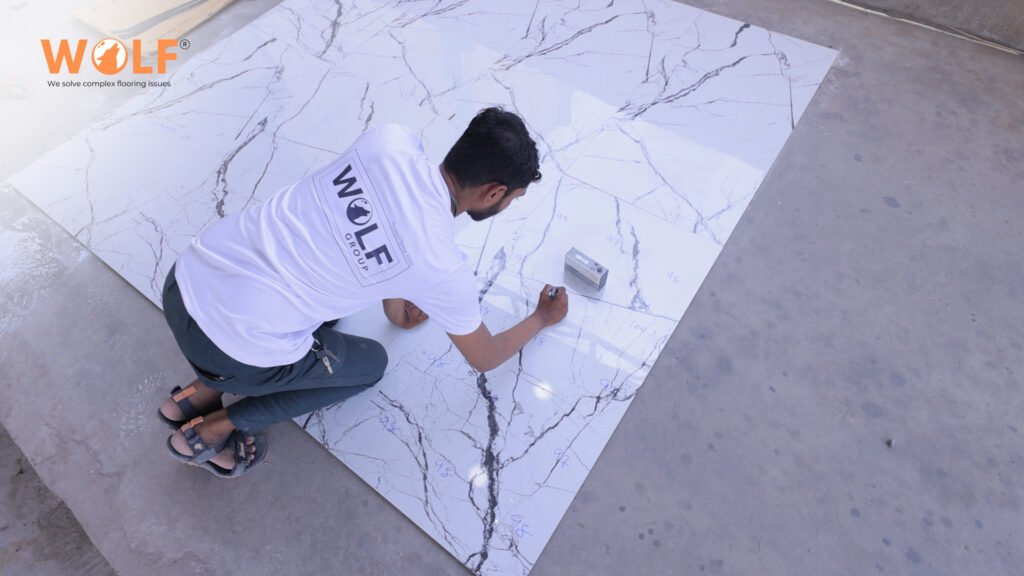
Some Croatian distributors arrange independent inspection before shipping. Third-party inspection companies verify product specifications, packaging quality, and container loading.
This option costs additional but provides quality verification before shipment leaves India.
Shipments should include complete documentation: commercial invoice, packing list detailing exact contents, certificate of origin, quality test reports, and applicable compliance certifications.
Proper documentation facilitates Croatian customs clearance and provides reference for any future quality discussions.
Establish clear communication about handling any quality issues. What’s the process for reporting problems? How does the manufacturer respond to legitimate quality concerns?
Manufacturers serving European markets understand the importance of after-sales support and typically have procedures addressing quality issues professionally.
Finding the right porcelain tile suppliers Croatia distributors can trust requires understanding certifications, verifying capabilities, and establishing clear communication from the start.
Wolf Porcelain Tiles manufactures premium porcelain collections specifically for international markets including Europe. With two decades of export experience, we understand what Croatian distributors need: tiles meeting European standards, reliable delivery schedules, and professional communication throughout the sourcing process.
Our manufacturing facility in India’s premier tile production region combines advanced Italian technology with comprehensive quality control. Every product undergoes testing for water absorption, breaking strength, and dimensional accuracy with documented results matching European specifications.
Product Range for Croatian Markets: Formats Croatian projects specify including 60×60cm, 60×120cm, and wall tile sizes. Stone-look effects, contemporary neutrals, and wood-grain designs. Matte, polished, and textured finishes.
European Certifications: CE marking for EU compliance. ISO 9001 quality management certification. Complete technical documentation and test reports supporting Croatian building code requirements.
Reliable Lead Times: Documented production and shipping schedules. Clear communication throughout the order process. Container tracking and delivery coordination.
Croatian Market Knowledge: Understanding Croatian installation practices, format preferences, and finish requirements. Technical support for specification decisions.
We’ve supplied European distributors for years. Our export team understands documentation requirements, quality expectations, and communication standards Croatian businesses require. Working with us means partnering with Indian manufacturers who actually understand European market realities.
Ready to explore how Indian porcelain tiles can strengthen your Croatian product portfolio with quality, competitive pricing, and reliable supply?
Contact our export team to discuss your specific requirements, receive samples, and evaluate how our manufacturing capabilities fit your distribution needs.
Indian manufacturers should provide CE marking for EU compliance, ISO 9001 for quality management, and technical test reports documenting water absorption (below 0.5% for porcelain), breaking strength, and slip resistance meeting Croatian building requirements.
Total lead time from order confirmation to Croatian warehouse delivery typically runs 9-13 weeks including manufacturing (2-4 weeks), ocean shipping from Mundra Port to Croatian ports (30-40 days), and customs clearance (3-7 days).
Indian factories produce standard formats Croatian markets demand including 60×60cm, 60×120cm for floors, and 30×60cm, 30×90cm for walls, all with rectified edges enabling narrow grout lines Croatian installers prefer.
Indian manufacturers offer complete finish options including matte (most popular for Croatian residential), polished for luxury applications, and textured surfaces with realistic stone effects using advanced digital printing technology.
Indian porcelain tiles typically cost less than equivalent European products while meeting technical specifications through modern Italian manufacturing equipment and efficient production scale in Morbi cluster.
Yes, though full container loads (800-1,400 square meters per 20-foot container) represent typical minimum orders. Some manufacturers accommodate mixed containers for initial orders establishing business relationships.
Standard international terms including Letter of Credit, advance payment with balance against documents, or payment against shipping documents. Established manufacturers work with Croatian banking systems and understand European trade practices.