

By the time you have priced a container of Indian porcelain down to the euro per square metre, the instinct is to place the order. Hold off. The number you built in the landed-price breakdown only survives if the tiles clear customs and hold up once they are down, and that is what compliance decides. In Croatia it decides more than most buyers expect.
Skip the paperwork and a keen price stops being keen the moment a container is held at Rijeka, or the moment an R11 tile you specified turns out to be R9 on a hotel pool deck. What follows is the checklist I would run against any porcelain supplier before releasing payment, Indian or not. Same questions for everyone. The ones who ship into the EU every week answer them without blinking.
Compliance reads like admin until the day it doesn’t. Picture a resort job on the Dalmatian coast: a pool surround, external steps, a lobby that takes wet feet all summer. The architect has written frost resistance and a slip minimum into the spec, because the tile will freeze in January and stay wet in July. If you cannot put a document behind each of those requirements, you do not get a discussion. You get replaced, and you swallow the cost of lifting and relaying tile you already sold at margin.
That is the whole case for checking before you pay. Every line below moves a risk off your books and onto a sheet the manufacturer has signed. Do it once per line and the phone call never comes.
A porcelain tile counts as a construction product under EU rules, so it carries a CE mark before anyone can sell it. That part is easy. The part that decides projects is the Declaration of Performance, the DoP, and it is a different animal from the logo on the carton.
The DoP is where the factory commits to real figures: breaking strength, water absorption, slip resistance, size tolerance. It is the sheet that makes a tile insurable on a specified job, and the first thing a serious architect or main contractor asks to see. No DoP, no specification. A Croatian distributor who cannot produce the current one on demand is quietly shut out of the work worth having.
One trap catches people out. A DoP is versioned, and an expired sheet is worth about as much as no sheet when the project team is checking. Keep the live version for every line you carry, not whatever the factory sent two years ago.
Where Wolf helps CE-marked lines shipped with the current DoP, so you hand the specifier the proof on the spot instead of emailing Morbi and waiting on a reply.
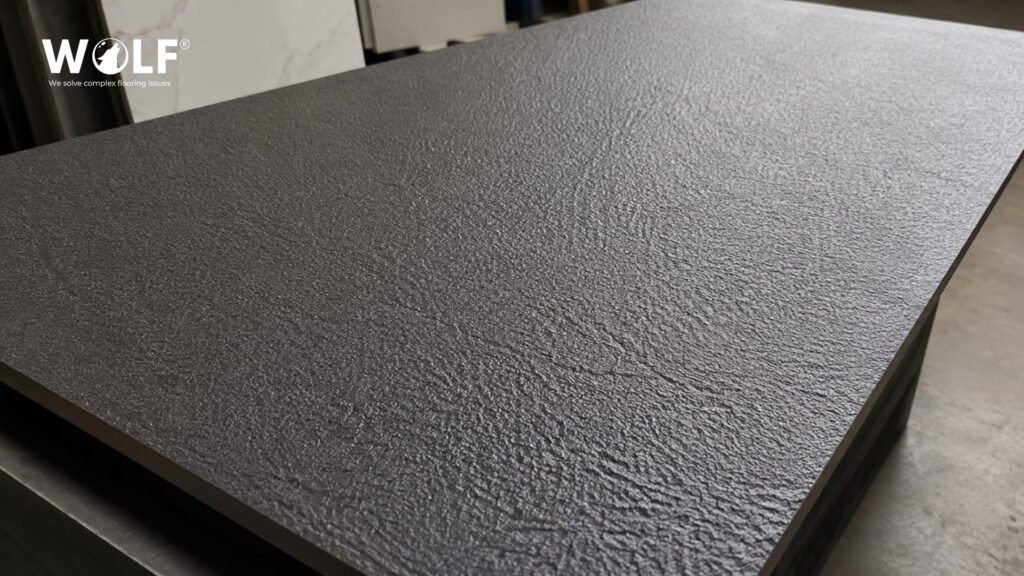
“Porcelain” gets printed on plenty of boxes that do not earn the word. EN 14411 is how you tell the real thing apart on paper. It sorts tiles by how much water the fired body soaks up, and genuine porcelain lands in group BIa: absorption of 0.5% or less.
That one figure carries the whole product. A body that barely takes on water is the body that resists frost, shrugs off stains, and takes heavy footfall without wearing through. For Croatia the commercial stakes are plain, since coastal, hospitality and terrace work is where the volume and the margin sit, and every bit of it rides on true BIa performance. If a supplier cannot hand you EN 14411 data putting a line at BIa, treat it as ceramic and sell it as ceramic. Passing a BIb tile into a job that called for porcelain is a warranty claim with a delay on it.
Where Wolf helps EN 14411 classification and absorption figures on request, so BIa is settled before you commit and you can put your name behind premium and outdoor work.
There is a habit of filing Croatia under warm-coast markets and waving frost off. Inland, that is a mistake. Winters around Zagreb, Karlovac and the Slavonian plain bite, and any tile laid outside there rides freeze-thaw cycles that split anything holding water in its body. Even on the coast, exposed terraces and pool decks catch enough cold snaps to matter.
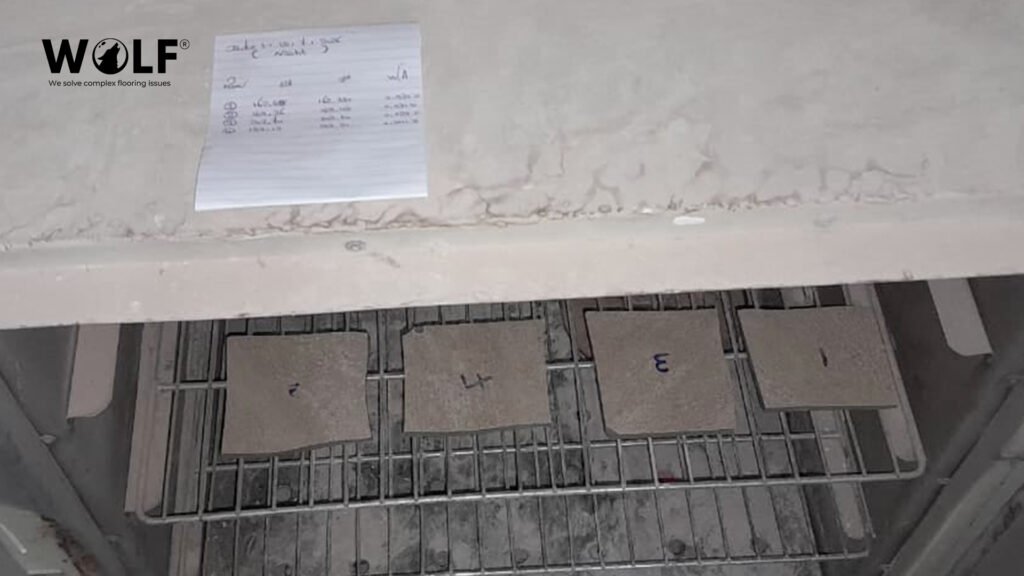
This is where the 0.5% absorption earns its keep, and it can be tested on its own. EN ISO 10545-12 is the freeze-thaw test, and for any external or terrace line you want that report sitting beside the EN 14411 sheet. Ask for it by name. A factory that has it ready has laid tile in a climate like yours. The other kind hands you a callback in March and a customer with a long memory.
Where Wolf helps EN ISO 10545-12 frost reports on external lines, so you can quote coastal and continental outdoor jobs without wearing the risk yourself.
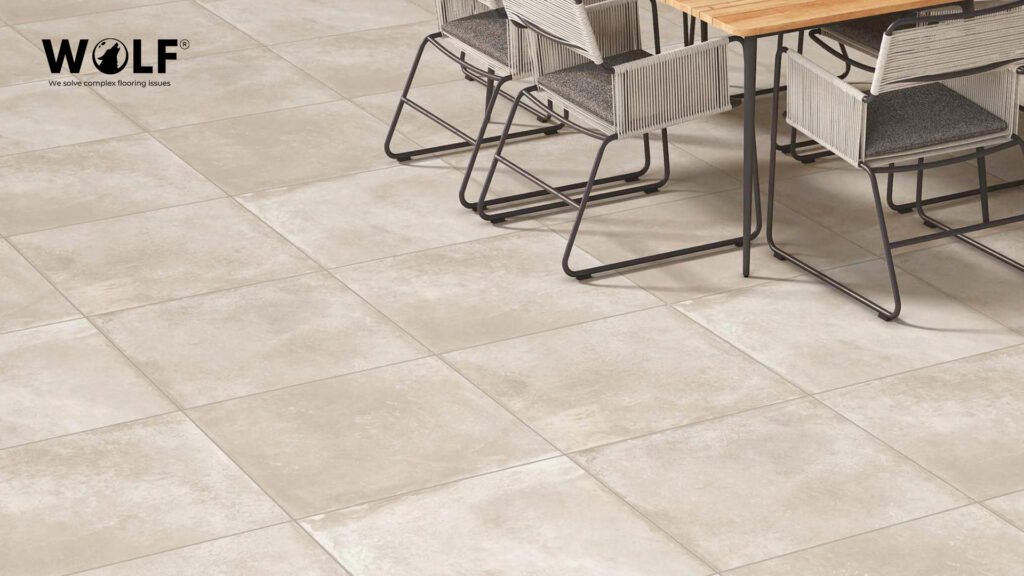
Wet stone-look porcelain on a hotel entrance is an incident waiting to happen if it is the wrong grade. Two German standards are how the EU talks about slip, and Croatian specifiers read them the same way. Learn both and you can quote wet-area work with your eyes open.
For anyone supplying hotels, resorts and public projects along the Adriatic, these are not extras. They are the gate you clear to be on the tender at all. Put a tile onto a wet-area job without its rating in hand and you are one slip away from a rejected container and a very short call with the specifier.
Where Wolf helps R11 and barefoot-rated lines supplied with the matching reports, so the rating drops straight into your own quote and you win the spec instead of guessing at it.
Standards are only worth what the paper behind them proves. Before you release payment, ask for the full pack, tied to the exact line you are buying rather than the range in general:
Here is the tell worth watching for. A factory that exports into the EU keeps all of this as one pack and sends it the same day. A supplier who stalls, or answers a request for line-specific reports with a glossy brochure, has told you what you needed to know before a euro moved. A brochure is marketing. A test report is evidence. Do not let one stand in for the other.
Where Wolf helps A full, line-specific test-report pack up front, so your compliance file is closed before the container leaves Mundra. Ask for it alongside your samples through Request a Sample.
Run this before you place the order. Every box ticked means the price you worked out is a real price, because the stock will clear, lay and last:
Miss one and you are carrying a risk you never priced. Tick them all and you are not hoping the container is right when it lands. You know it is, and so does the specifier who put you on the job.
At a minimum: a CE mark backed by a current Declaration of Performance, EN 14411 classification, and manufacturer test reports for water absorption and slip resistance, all tied to the exact line you are ordering. Add an EN ISO 10545-12 frost report for anything laid outdoors.
It is the EU classification that sorts tiles by water absorption. Genuine porcelain falls in group BIa at 0.5% absorption or less, and that low figure is what makes it frost- and stain-resistant enough for heavy or outdoor use.
For wet external areas, aim for a DIN 51130 rating of R11 or higher. For barefoot zones such as pool decks and spas, use the DIN 51097 A, B or C scale instead.
Ask for the CE-backed DoP plus EN 14411 and slip-resistance reports for the specific line before you pay. A factory that exports to Europe regularly sends the pack without fuss. Hesitation is your answer.
No spam, no obligation.