

Close
The Dominican Republic does not do hospitality quietly.
From the resort corridors of Punta Cana to the boutique properties rising along the Samaná peninsula, the country’s hospitality sector has spent the last decade raising its own standards. Developers are not just building hotels. They are building experiences that guests will compare against properties in Miami, Dubai, and the Maldives.
That ambition starts with the materials.
Every surface a guest encounters, from the moment they step into a lobby to the time they spend in their suite bathroom, contributes to how they perceive the property. For hotel developers and resort designers working in the Dominican Republic, selecting the right tile finish is not a decorative decision. It is a strategic one.
High glossy porcelain tiles Dominican Republic hospitality projects increasingly specify offer a precise answer to that challenge. They bring the visual weight of luxury stone, the practicality of a low-maintenance surface, and the design flexibility that modern resort interiors demand.
India’s leading porcelain tile exporter Wolf Porcelain Tiles has supplied hospitality-grade porcelain to international markets for over 20 years, exporting to more than 40 countries across five continents using advanced Italian manufacturing technology.
Walk into many recently opened upscale properties in the Dominican Republic and you will likely find the same design instinct at work: light-amplifying surfaces, minimal visual interruption across large floor planes, and stone-inspired finishes that feel expensive without demanding the maintenance that natural stone requires.
High glossy porcelain tiles are driving that aesthetic across the island’s most competitive hospitality properties.
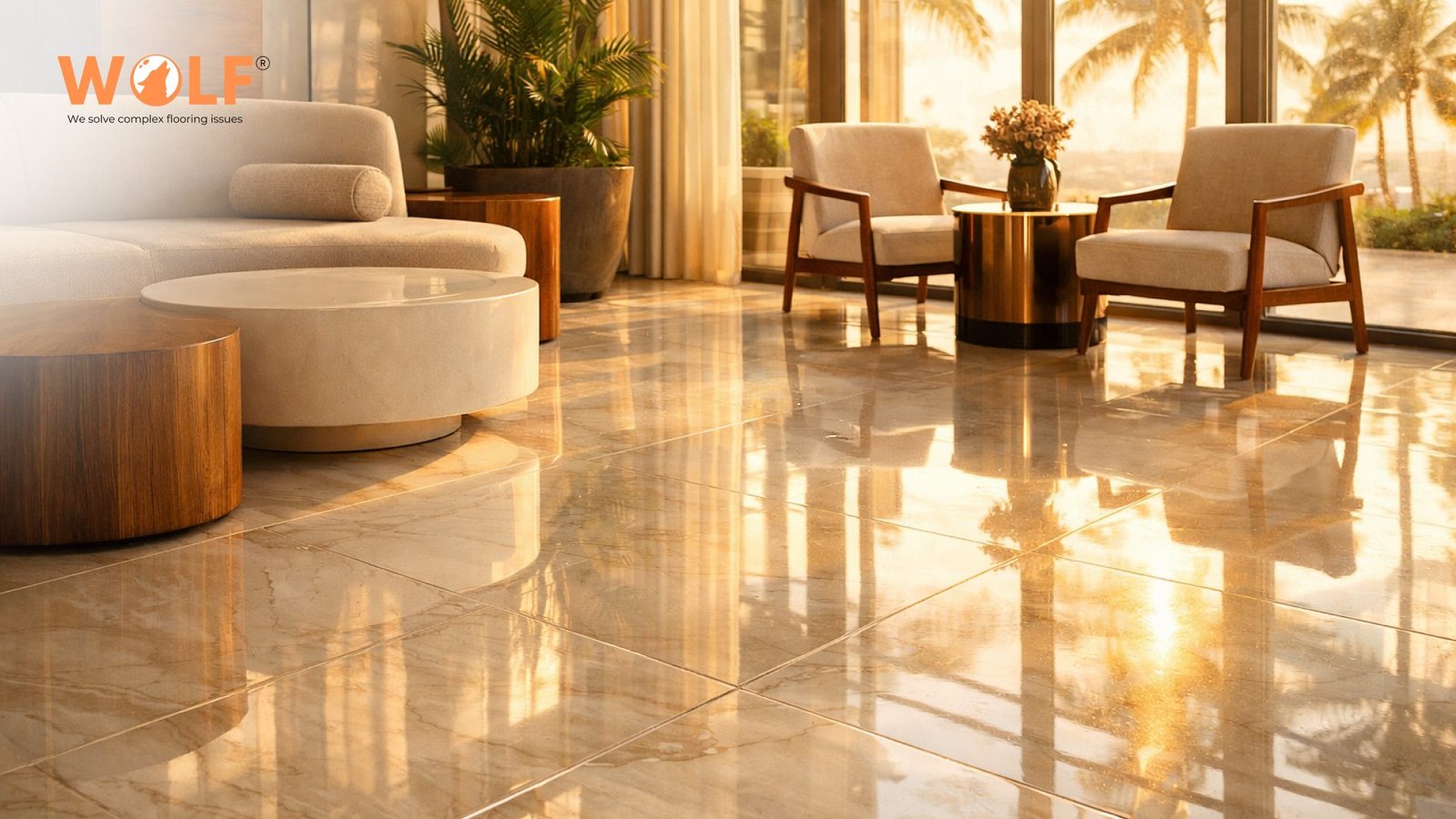
The Dominican Republic receives strong natural light for most of the year. High glossy finishes work with that light rather than absorbing it. A polished lobby floor catches sunlight streaming through resort entrance doors and redistributes it across the space, making the interior feel larger, warmer, and more alive.
In enclosed interior zones like corridors, spa waiting areas, and restaurant spaces, that same reflective quality compensates for reduced natural light. The floor becomes part of the lighting strategy.
Natural marble has defined luxury hospitality interiors for decades. But any hotel operator who has managed a marble-floored lobby in a high-humidity coastal environment understands the complications: porosity, staining, acid sensitivity, and the specialized maintenance that genuine stone demands.
High glossy porcelain in marble-inspired designs eliminates those concerns. The surface imitates Statuario veining, Calacatta patterns, warm beige stone tones, and soft grey marble aesthetics with a level of visual accuracy that satisfies even design-led specifications. The underlying material, however, is dense, low-porosity porcelain that cleans easily and resists the moisture and traffic that Caribbean hospitality environments generate daily.
A 300-room resort cannot afford shade variation between floors installed in different phases. Manufacturers like Wolf Porcelain Tiles operate five state-of-the-art production lines using advanced Italian tile manufacturing technology, producing consistent finishes and reliable color matching across large batch orders. For hospitality developers managing extended construction timelines, that production consistency is as important as the design itself.
A guest suite needs to feel like an escape. The flooring and wall surfaces carry much of that responsibility. They set the tone before the bed is noticed, before the view registers, before the amenities are explored.
Marble-look high gloss porcelain in the 600×1200mm format has become one of the most consistently specified solutions for luxury suite interiors, and the reasoning is straightforward.
600×1200mm high-glossy porcelain tiles in marble-inspired designs create the elongated, uninterrupted surface that contemporary hospitality interiors favor. Fewer grout joints across a bathroom floor or feature wall means the design reads as a whole rather than a grid. The space feels curated rather than tiled.
Within the suite environment, this format works across multiple surfaces:
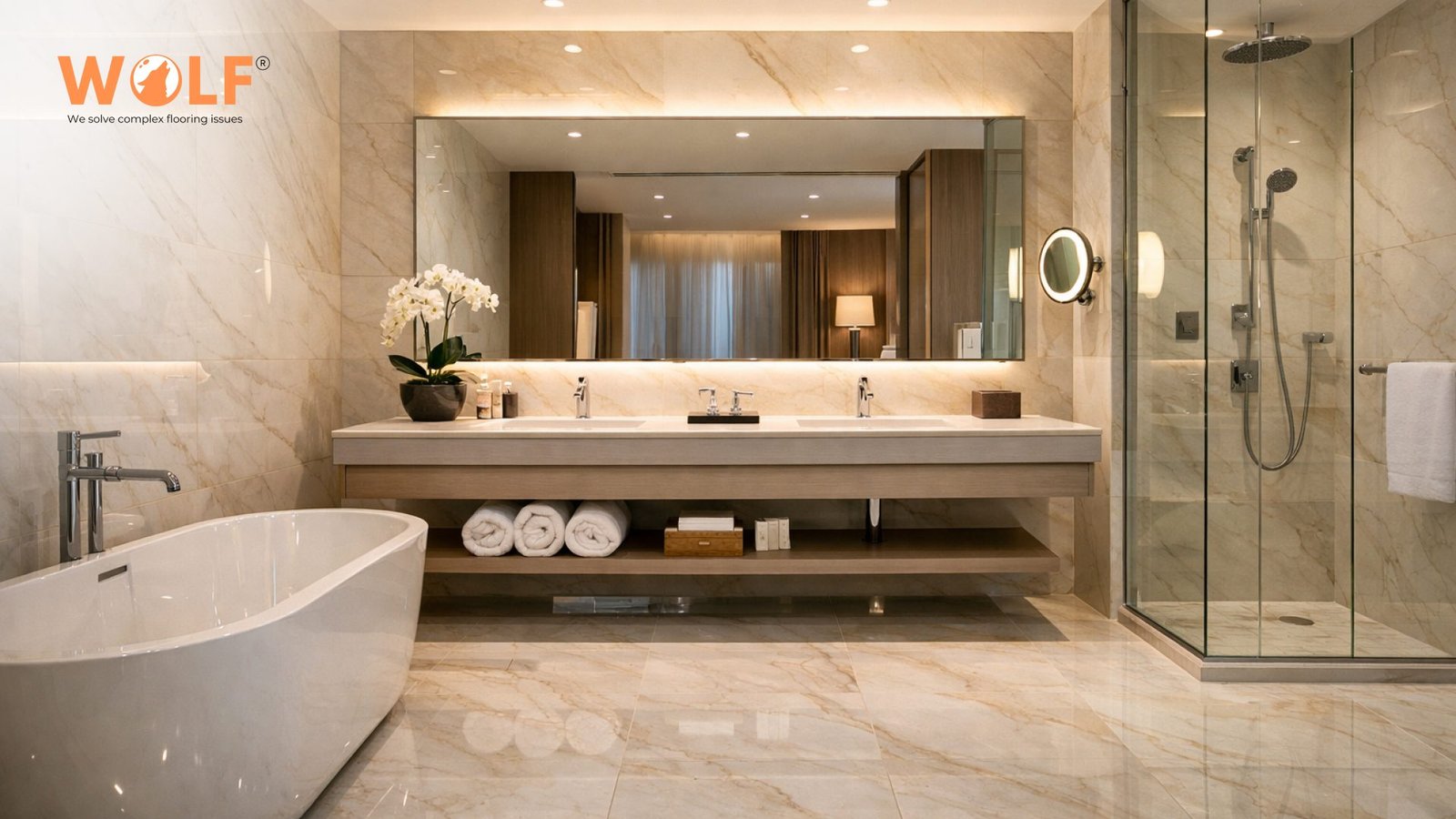
The reflective surface adds brightness to rooms that may not receive direct sunlight, and the marble-look pattern elevates the perceived quality of the space in a way that guests notice and remember.
From an operations perspective, the same qualities that make these tiles visually effective also make them practical. Stain resistance, scratch resistance, and easy cleaning with standard hospitality products mean housekeeping teams can maintain the suite’s appearance without specialist treatment.
The lobby does more commercial work than any other space in a hotel. It is where the property makes its first argument for the rate it charges. Everything in that space, the ceiling height, the lighting, the furniture, and especially the floor, either supports or undermines that argument.
This is why high glossy porcelain tiles Dominican Republic luxury resorts use are increasingly specified for lobby floors and reception areas. Large format porcelain tiles make a lobby floor feel deliberate. The absence of dense grout lines across a wide floor plane creates a surface that reads as intentional and premium.
1200×1200mm porcelain slab tiles are the format of choice for this application. At this scale, each tile is a meaningful surface element rather than a repeating unit. Pattern placement can be considered. Veining can be aligned. The floor becomes a designed surface rather than a practical one.
This format suits the architectural proportions typical of Caribbean resort lobbies: wide open volumes, high ceilings, and the kind of visual breathing room that guests associate with genuine luxury. Neutral tones in white marble, light grey, and warm beige complement these spaces without overpowering them, creating timeless interiors that remain commercially relevant long after opening.
Some spaces in a resort are designed specifically to be remembered. The wall behind the reception desk. The entrance to the spa. The back wall of the signature restaurant. These are the moments a property’s photography is built around, and the surfaces in those moments need to justify the attention.
Extra-large porcelain slabs are now the preferred material for feature walls in high-end Dominican Republic resort properties, and the visual logic is clear. A large uninterrupted surface in a marble or stone-inspired design reads as genuinely luxurious in a way that smaller tiled surfaces cannot replicate.
Extra-large 1200×1800mm porcelain slabs produce a near-seamless wall effect where the design, not the installation, dominates. Veining extends across the full height of a reception backdrop without grout interrupting the pattern. In a spa corridor, the calm visual continuity of a large stone-look surface reinforces exactly the environment designers are working to create.
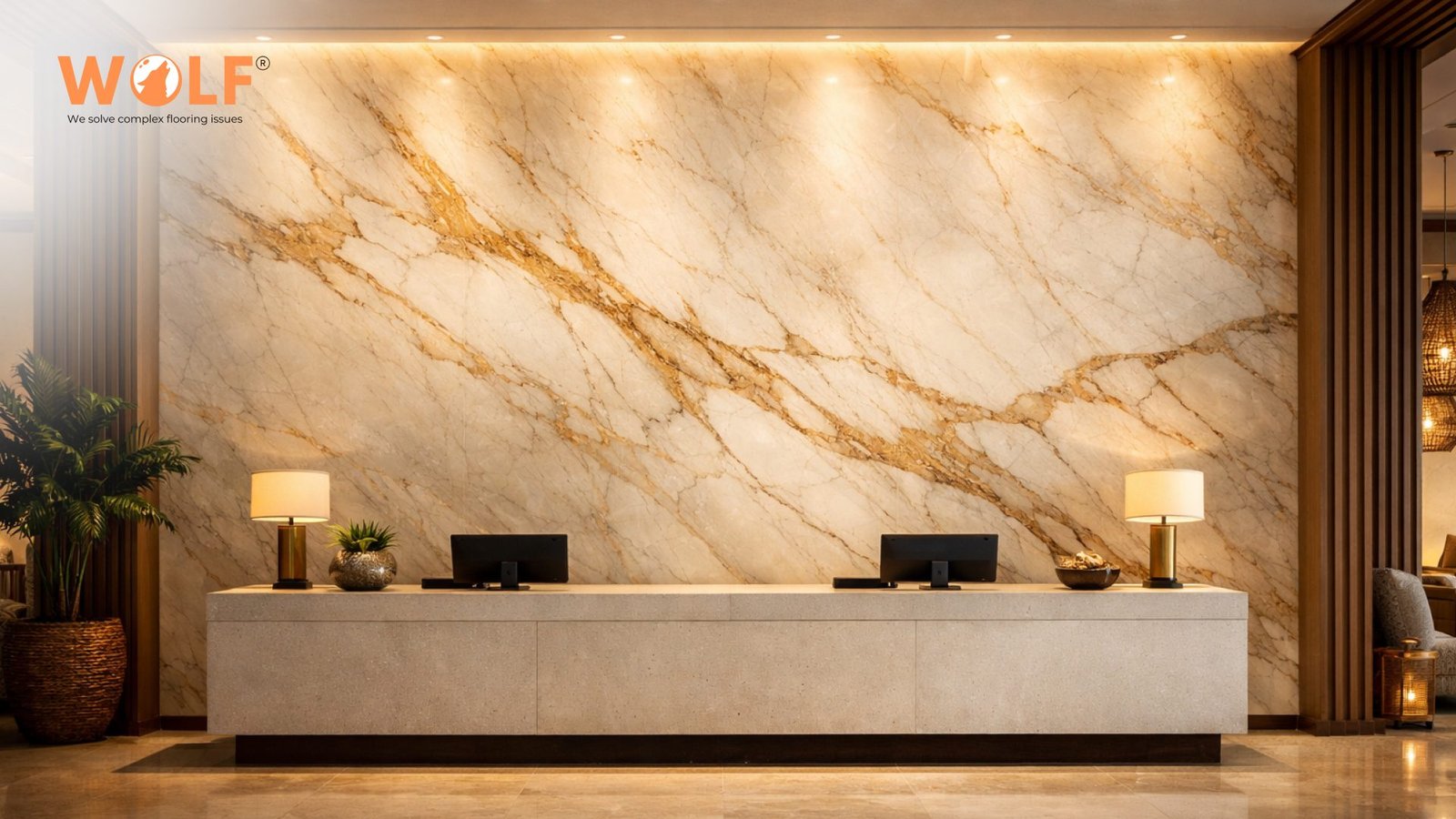
Restaurant feature walls benefit from the same logic. A well-specified slab wall gives a dining space a focal point that elevates the room without requiring additional lighting effects or decorative elements to carry the atmosphere. The material does the work.
Because of the production complexity involved in manufacturing tiles at this scale consistently, hospitality developers working with slab porcelain tile exporters in India that have genuine large-format capability gain a meaningful supply advantage over those working with manufacturers whose range stops at smaller formats.
A tile that looks exceptional at opening but requires constant specialist attention is a liability, not an asset. Hotel developers with long-term ownership or management responsibilities think about material performance across years, not just the launch weekend.
Porcelain tiles are fired at high temperatures, producing a dense, low-porosity and structurally resilient surface. For hospitality environments, that translates into practical operating advantages that compound over time.
High-traffic lobby floors handle thousands of footsteps daily without visible surface degradation. Bathroom and wet area surfaces resist moisture penetration and the mold that can develop on more porous materials in coastal environments. Restaurant and bar floors resist food and liquid staining without requiring sealing treatments.
For hotel housekeeping teams, glossy porcelain surfaces clean efficiently with standard commercial products. There are no specialist stone treatments, no periodic resealing schedules, and no surface sensitivity to the cleaning agents that hospitality operations routinely use. The surface that guests see on day one remains essentially the same surface they encounter three years later.
To understand the production standards behind these performance characteristics, visit our manufacturing legacy and certifications.
Designing for the Dominican Republic is not the same as designing for a temperate European or North American market. The Caribbean climate introduces specific demands that material specifications need to address directly.
Humidity performance Coastal resort environments maintain elevated humidity levels year-round. Surfaces that absorb moisture, even incrementally, become problematic over time through staining, surface degradation, and mold development. High-quality porcelain tiles are designed for very low water absorption, making them suitable for interior and covered exterior applications common in Caribbean resort design.
Salt air exposure Properties within close proximity to the ocean face salt air exposure that can affect surface materials over time. Porcelain tiles are chemically stable and resist the surface corrosion that salt-laden air can cause on more reactive materials. For open-air reception areas, poolside surfaces, and covered outdoor dining spaces, this chemical resistance is a practical specification consideration.
Slip resistance in wet zones Tropical climates mean wet environments are not confined to bathrooms. Pool decks, outdoor corridors, and covered terraces all experience moisture from rain, splashing, and the general humidity that resort guests bring indoors from outdoor spaces. Specifying appropriate surface finishes for each zone matters. High glossy finishes suit dry interior spaces and feature walls. For wet zones and outdoor areas, matte or textured surfaces with appropriate slip resistance ratings are the correct specification.
Temperature variation While the Dominican Republic does not experience frost, daytime and evening temperature variation, combined with air-conditioned interiors meeting humid exterior air, creates thermal cycling that lower-quality materials can struggle with over time. Dense-body porcelain handles this thermal movement without surface cracking or joint failure, maintaining the integrity of large-format installations across years of seasonal variation.
The Dominican Republic does not have a large-scale domestic porcelain tile manufacturing industry. Resort developers source tiles internationally, and over the past decade India has become one of the most significant supply sources for hospitality-grade porcelain entering Caribbean markets.
The reasons are grounded in practical procurement logic rather than cost alone.
Hospitality developers typically evaluate suppliers based on:
Production scale that supports large projects Morbi, Gujarat is one of the world’s most concentrated tile manufacturing clusters. Manufacturers operating at this scale can reserve batch production for a single hospitality project, ensuring that tiles delivered in month six of a construction timeline match tiles delivered in month one. For a 400-room resort specifying the same marble-look floor tile across all guest bathrooms, that batch consistency is not a minor consideration.
Design range that serves architects Porcelain tile suppliers in the Dominican Republic market sourced from India offer design collections spanning marble-look, concrete-aesthetic, stone-texture, and neutral minimalist surfaces across multiple formats and finishes. Architects working on properties with distinct identities benefit from that range without having to work across multiple suppliers.
Export experience that simplifies procurement Quality porcelain tiles from India for import come with established logistics. Container routing, CE documentation, customs compliance, and pallet specifications are managed as standard export procedures by manufacturers with genuine international experience.
Wolf Porcelain’s global export reach across more than 40 countries reflects a supply infrastructure built for large international construction projects. That includes the documentation consistency and shipping reliability hospitality developers require.
Visit our global export reach across more than 40 countries to understand how Wolf Porcelain manages international supply for hospitality projects.
The combination of light reflection, marble-inspired aesthetics, and practical durability makes high glossy porcelain a strong fit for Caribbean resort design. The finish creates bright, premium interiors that photograph well and hold up under the daily demands of busy hospitality operations.
Yes. Porcelain tiles are fired at high temperatures, producing a dense, low-porosity surface that resists scratching, staining, and moisture penetration. Hotel lobbies, corridors, restaurants, and wet areas all perform reliably with quality porcelain across years of commercial use.
The 1200×1200mm format suits lobbies and large reception areas where fewer grout lines create a more expansive, premium floor effect. The 600×1200mm format works well in suites and bathrooms, where the elongated tile creates visual continuity across smaller surfaces.
Glossy surfaces amplify available light, making spaces feel brighter and more open. In hospitality environments, this contributes to the welcoming atmosphere that resort properties work to create from the moment a guest arrives. The smooth surface also reduces visual clutter, supporting the clean aesthetic that contemporary luxury hotel design favors.
Indian manufacturers combine large production capacity with a wide design range and established export logistics. For hospitality developers requiring consistent supply across extended construction timelines, working with experienced porcelain tile suppliers in the Dominican Republic sourcing chain through India provides reliable access to hospitality-grade material at competitive landed costs.
Standard glossy tiles have a polished, reflective finish. High glossy tiles are polished to a greater intensity, producing a near-mirror surface with more pronounced light reflection. High glossy finishes are suited to feature applications, luxury bathrooms, and statement lobby spaces where maximum visual impact is the design priority.
The primary considerations are space scale, grout joint specification, design continuity, and manufacturer reliability. Larger formats reduce grout lines and create cleaner visual surfaces, but require rectified-edge tiles from manufacturers with tight dimensional tolerances to avoid lippage during installation across large hospitality floor areas.
In Dominican Republic resort development, the materials a developer specifies at design stage shape how guests experience the property for years after opening.
High gloss porcelain tiles, Dominican Republic hotel designers now consistently specify to bring together luxury aesthetics, durability for coastal environments, and maintenance efficiency that hospitality operators value long after the opening weekend.
From marble-look suite bathrooms finished in 600×1200mm glossy porcelain to 1200×1800mm slab feature walls anchoring resort spa interiors, the design range available from experienced Indian manufacturers means hospitality developers no longer need to choose between how a surface looks and how it performs.
Wolf Porcelain Tiles brings over 20 years of manufacturing experience, five production lines with advanced Italian technology, and export logistics covering more than 40 countries to hospitality projects that require consistent supply, precise documentation, and surfaces that justify the properties they serve.
Request a hospitality project consultation to receive tile samples, technical specifications, and export documentation tailored to your hotel or resort development.