

Close
If you’re sourcing ceramic tiles from India and shipping to the US, you’ve likely seen alarming headlines about tariffs ranging from 408% to 828%. For anyone tracking the US tile import tariff update over the past two years , the situation has moved significantly since those early headlines.
Those figures were petition allegations, not official duty rates. The Department of Commerce’s CVD investigation has concluded with a final rate of 3.18%. That’s the number CBP is applying to your shipments right now.
This guide breaks down what the investigation involves, what it means for your next shipment, and what experienced importers are doing about it.
In April 2024, the Coalition for Fair Trade in Ceramic Tile filed both anti-dumping (AD) and countervailing duty (CVD) petitions against ceramic tile imports from India. The petition argued that Indian exporters were receiving government subsidies and selling tiles below fair market value in the US, citing subsidy estimates between 408% and 828%.
Here’s the important distinction: those figures were claims made by the petitioners, not rates determined by the US Department of Commerce.
For US importers calculating import duty on ceramic tiles from India, the actual numbers are far more straightforward. The countervailing duty investigation was initiated in April 2024 and reached its final determination in April 2025. The Department of Commerce assigned a final CVD rate of 3.18%, which Customs and Border Protection (CBP) is now actively applying to Indian ceramic tile imports. The anti-dumping investigation did not result in a dumping margin
At the confirmed final rate of 3.18%, Indian porcelain tiles remain cost-competitive for US buyers and sourcing from India continues to make commercial sense.
If you’ve been importing ceramic tiles from India since the CVD investigation began, you may be entitled to recover a portion of the duties you’ve already paid. This is one of the least understood aspects of US trade remedy law and one of the most financially meaningful for active importers.

CVD cash deposits collected at customs entry are not your final assessed duty. Each year, the Department of Commerce opens an annual administrative review period during which importers and exporters can request a review of the actual subsidy margins for a specific period of shipments. If the reviewed rate comes out lower than the deposit rate you paid, CBP refunds the difference to the importer. If it comes out higher, you owe the additional amount.
The key variable is whether your Indian supplier requests or is requested for an administrative review. If no review is requested for a given exporter, the deposit rate automatically becomes the final assessed rate and no refund is issued. This means your choice of supplier and their willingness to participate in the review process directly affects whether you recover overpaid duties.
Speak with your customs broker to identify shipments potentially eligible for review and confirm whether your supplier has requested or plans to request an administrative review. Review windows open annually and are time-limited, missing the window for a given period permanently forfeits any refund opportunity for those shipments.
For accurate review filings, complete and consistent shipment documentation is essential. You can review Wolf’s export documentation process to understand exactly what’s prepared with each shipment.
Beyond the refund opportunity, understanding the actual landed cost impact helps importers make clear sourcing decisions. A 3% duty increase is a very different conversation from an 800% one.
At an FOB price of $7.00 per square meter, a 3.18% CVD adds approximately $0.22 per square meter before freight, clearance, and delivery. To understand the full landed cost picture, that $0.22 is then stacked on top of ocean freight, insurance, customs clearance fees, and inland delivery, which is where the real cost difference between suppliers shows up, not in the duty rate alone.
With the final rate now confirmed at 3.18%, importers can plan landed costs with certainty rather than estimates. Indian tiles remain cost-competitive for most US buyers.
For a full breakdown of what importing tiles from India actually costs : freight, duties, and port delivery, see our upcoming guide on the total cost of importing tiles from India.
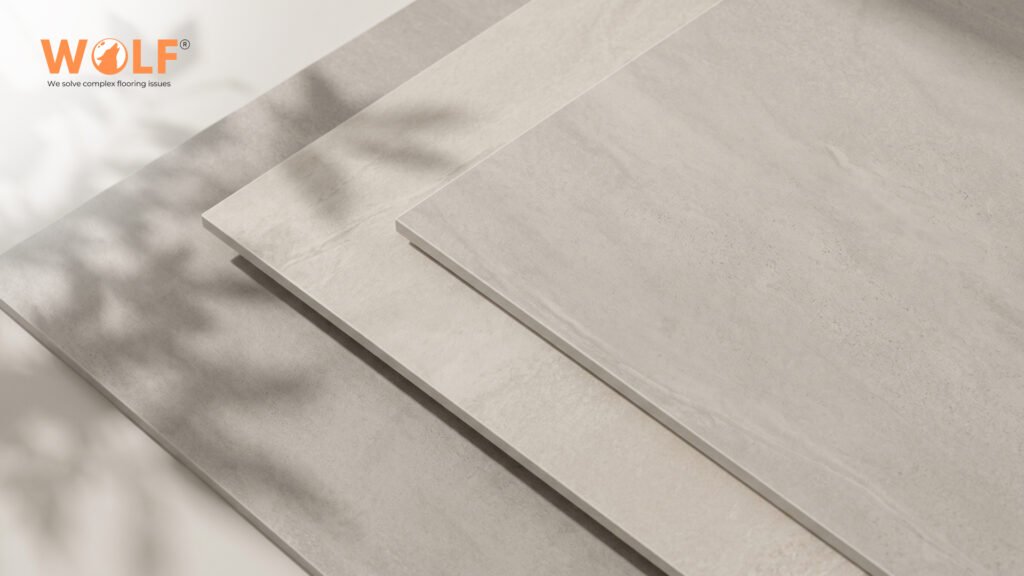
If you’re evaluating product options across sizes and finishes, Wolf’s porcelain tile collections include large-format and premium options across the sizes and finishes most commonly specified for US residential and commercial projects.
This is not the time to pause sourcing, it’s the time to source more carefully. Here’s what experienced buyers are doing:
Our export team can give you a tariff-adjusted FOB quote for your product and destination port, along with documentation ready for US customs. Contact our US export team.
Now that the US CVD investigation has concluded, two other developments are worth knowing about.
The India-EU Free Trade Agreement, concluded in January 2026, opens a significant new pricing advantage for Indian tile exporters serving European buyers, worth factoring into supplier conversations now, especially if you source for both US and European clients. For exporters and buyers watching this opportunity develop, see our upcoming guide on India-EU Free Trade Agreement benefits [link when live].
Canada, Mexico, and the GCC also remain strong markets with far fewer trade friction points. For buyers exploring Canadian routing as an alternative, Wolf ships regularly to Canadian ports and Indian tiles face far fewer trade barriers there than in the current US environment.
Working with an experienced porcelain tile exporter from India with reach across 40+ countries provides pricing and supply stability even when individual markets face headwinds.
Navigating CVD duties adds complexity, but it doesn’t have to disrupt your sourcing pipeline. What matters is working with a supplier who is transparent about pricing, responsive on documentation, and experienced across multiple export markets.
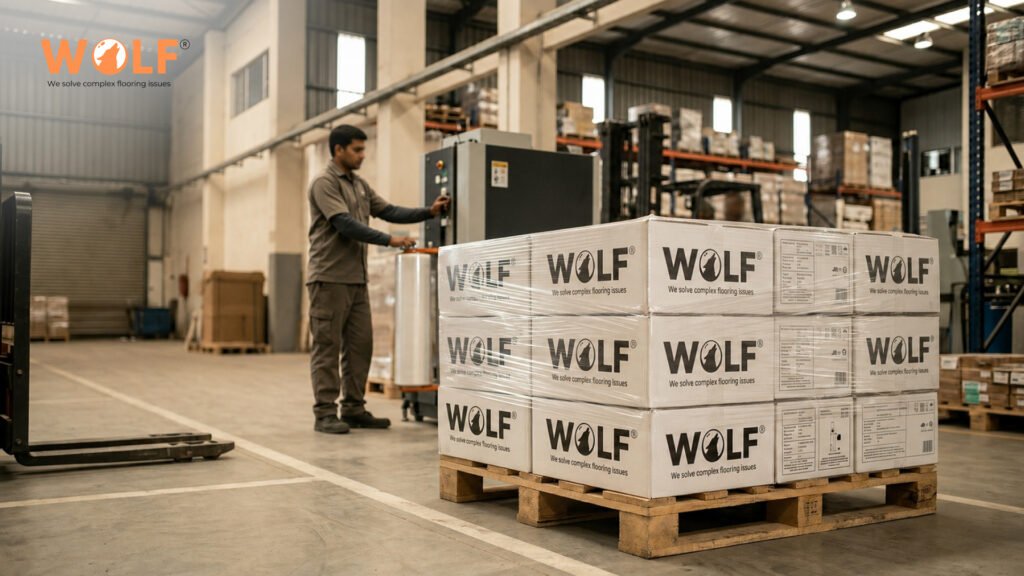
Wolf Porcelain Tiles supports US importers with:
Request samples and a custom quote today, our team will include tariff-adjusted pricing for your US port: request a free sample or contact our US export team directly. You can also message us instantly on WhatsApp at 9712233215.
A confirmed CVD rate of 3.18% represents a minor cost addition, not the sourcing crisis the original petition headlines implied. With the investigation concluded, US buyers now have a clear path forward: factor the confirmed rate into your landed cost, monitor annual reviews, and work with a supplier who communicates proactively on documentation and pricing.
The CVD investigation has concluded. CBP is now applying a final rate of 3.18% to Indian ceramic tile imports. Annual administrative reviews may adjust this rate slightly in future cycles.
No. Those figures were allegations made in the original petition filed by US manufacturers, not rates adopted by the Department of Commerce.
No. The anti-dumping investigation did not result in a preliminary dumping margin. Only the CVD investigation produced a rate, confirmed at 3.18%, now actively applied by CBP.
Most ceramic and porcelain tiles are classified under HS code 6907. Confirm with your customs broker for your specific product.
Yes. CBP collects duty deposits at customs entry, but these are reconciled through annual administrative reviews. If the reviewed rate comes in lower than what you paid, CBP refunds the difference. Ask your customs broker about review eligibility for past shipments.
Yes. At the confirmed final rate of 3.18%, the duty addition is modest and Indian tiles continue to offer strong value, particularly in large-format and premium segments.
No. With a confirmed rate of 3.18%, importers now have the certainty they need to plan accurately. Most experienced buyers are continuing to source from India with adjusted landed cost calculations and careful documentation
Wolf can provide updated quotes that reflect current duty rates, complete customs documentation, and product samples. Contact our US export team for a tailored assessment.